Bee products: Treasures from the beehive
Bee products are far more than just a sweet treat. They represent an array of natural substances that are produced by honeybees with the utmost precision and dedication. These products, which result from the interaction between bees and their environment, not only have an ecological value but are also used for a multitude of applications in human nutrition, medicine, cosmetics and many other areas.
From honey, which serves as a nutrient-rich source of energy, through the versatile beeswax, and on to pollen, royal jelly, propolis and bee venom – each of these products has unique properties. They play a central role in the survival of the bee colony and can simultaneously provide a contribution towards human health and well-being.
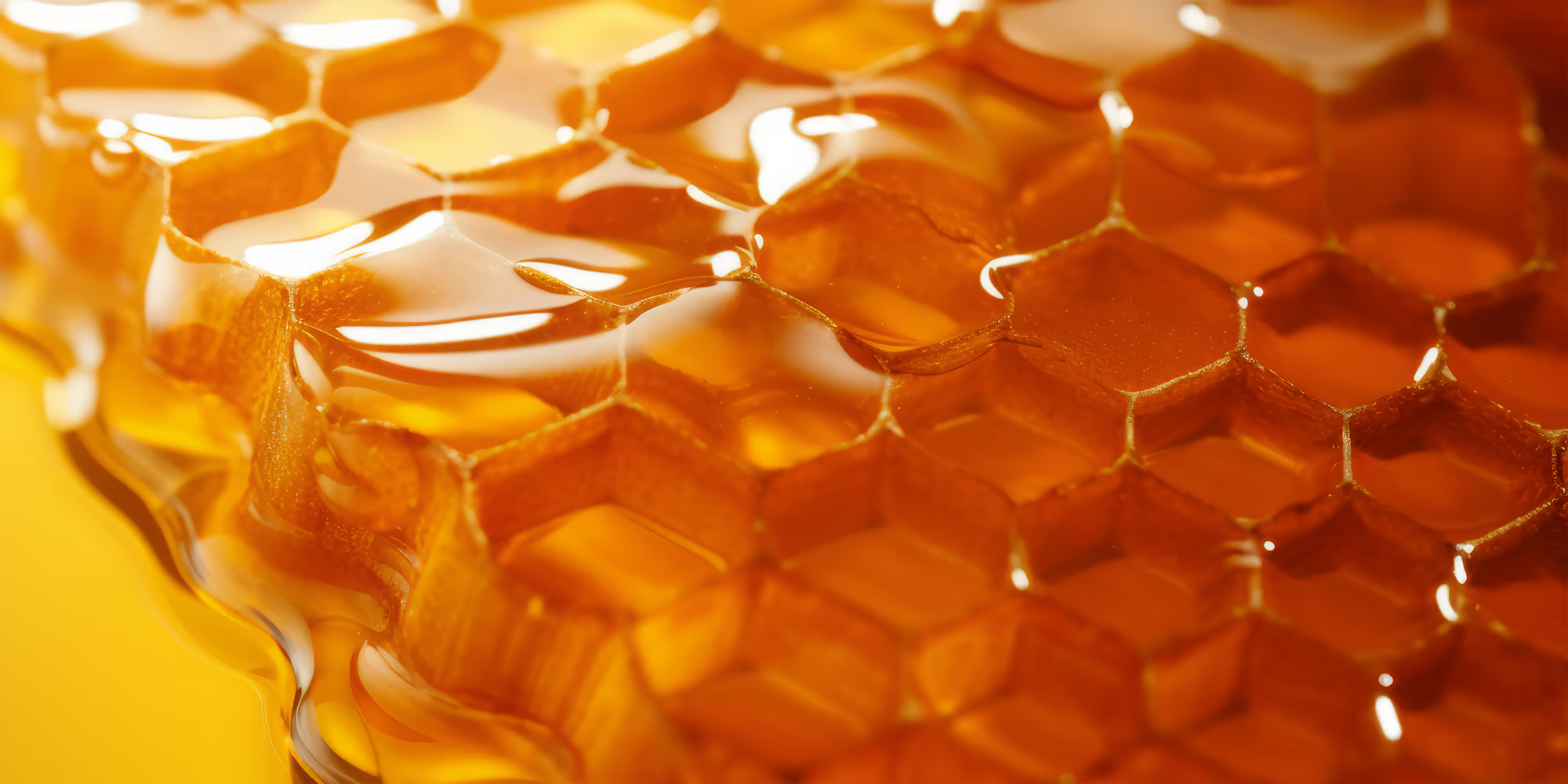
How is honey produced and preserved by bees? Honey, probably the best-known product of bees, not only serves as a sweet treat for us humans, but also as a high-quality natural food reserve for the bees. In summer, they collect nectar and pollen, which they process into an energy-rich cache by extracting water and adding enzymes. In order to conserve the honey for bad times, it is sealed into the protective honeycombs, where it matures.
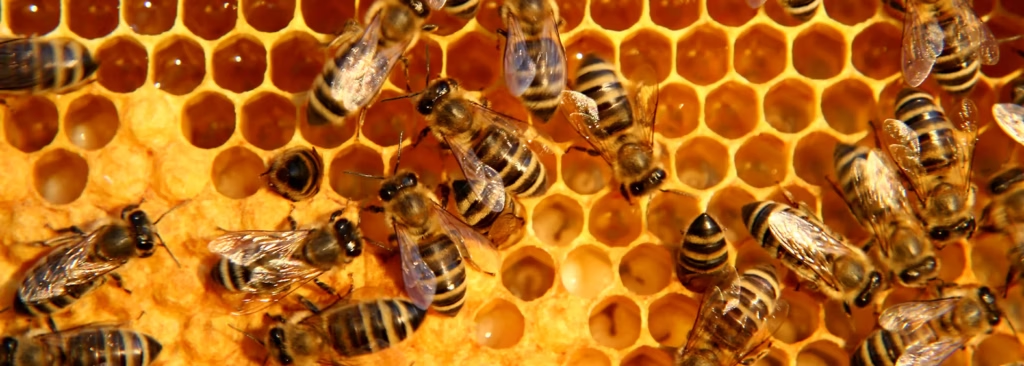
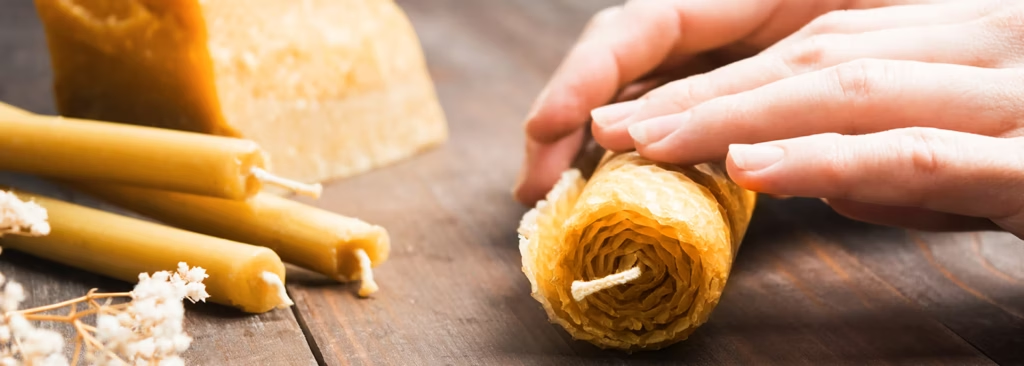
What is beeswax used for and how is it produced by bees? The bees which are responsible for building the honeycomb cells produce colourless wax in their wax glands. They mould this into hexagonal cells that make up the structure of the beehive. Over the course of time, the wax changes colour from colourless to yellowish-brown. In addition to being used for candles, beeswax is an important ingredient in cosmetics, medicines and food, where it serves as a natural coating.
Why do bees collect pollen and how do they use it in the hive? Pollen is not only important for plants, but also for bees, which collect it and use it as protein-rich food for their brood. When visiting plants, the pollen accumulates on the bees’ legs and forms the so-called pollen baskets. Furthermore, when collecting nectar, bees simultaneously pollinate the plants, which is essential for the plants’ reproduction. In the beehive, the pollen is stored in honeycombs in order to provide nourishment for the bee brood. Pollen is now also used by humans as a source of protein and as a food supplement, for example in muesli or yoghurt.
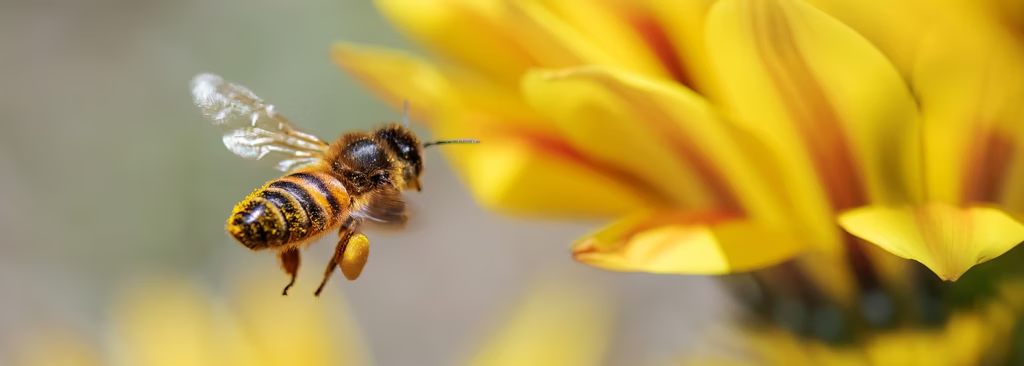
What is royal jelly and what role does it play in the beehive? Royal jelly, a special feed juice, is reserved exclusively for the queen bee. It is characterised by its high protein content and is produced in the glands of the nurse bees. Young bee larvae are fed a modified version of this food in order to promote their development. Royal jelly helps the queen bee to maintain her impressive size and to lay enormous quantities of eggs throughout her entire life.
What is propolis and what advantages does it offer for the beehive and humans? Propolis, the putty resin of bees, is produced using tree resins and other natural components. It is known for its disinfectant and preservative properties and can be used as a natural antibiotic and to promote wound healing. In addition, it also serves to protect the hive from intruders and acts as a natural preservative.
What properties does bee venom possess and how can it be used therapeutically? Bees produce a complex mixture of venom; whilst this can trigger unpleasant reactions, it is also used therapeutically. Particularly in the case of rheumatic ailments, bee venom can promote local blood circulation, thereby providing relief. It consists primarily of proteins that are responsible for allergic reactions and that can cause swelling in the event of a sting.
Even more Honey Knowledge
-
Bees
-
Nutritional Value
-
Honey Varieties
-
Varroa Mite
-

Beekeeping
-
Science
-

History