The development of apiculture: From the Stone Age through to modern beekeeping
From the first wild beehives in the Stone Age through to the highly developed apiculture methods of ancient times, the practice of beekeeping has constantly evolved. In the Middle Ages, honey was the most important sweetener until it was replaced by sugar. Nevertheless, honey retains its special status as a natural sweetener to this day.
This rich history demonstrates not only the importance of honey as a foodstuff, but also the role of beekeeping in different cultures and eras. The diverse products of bees and the continuing importance of beekeeping make them an indispensable part of history and of everyday life.
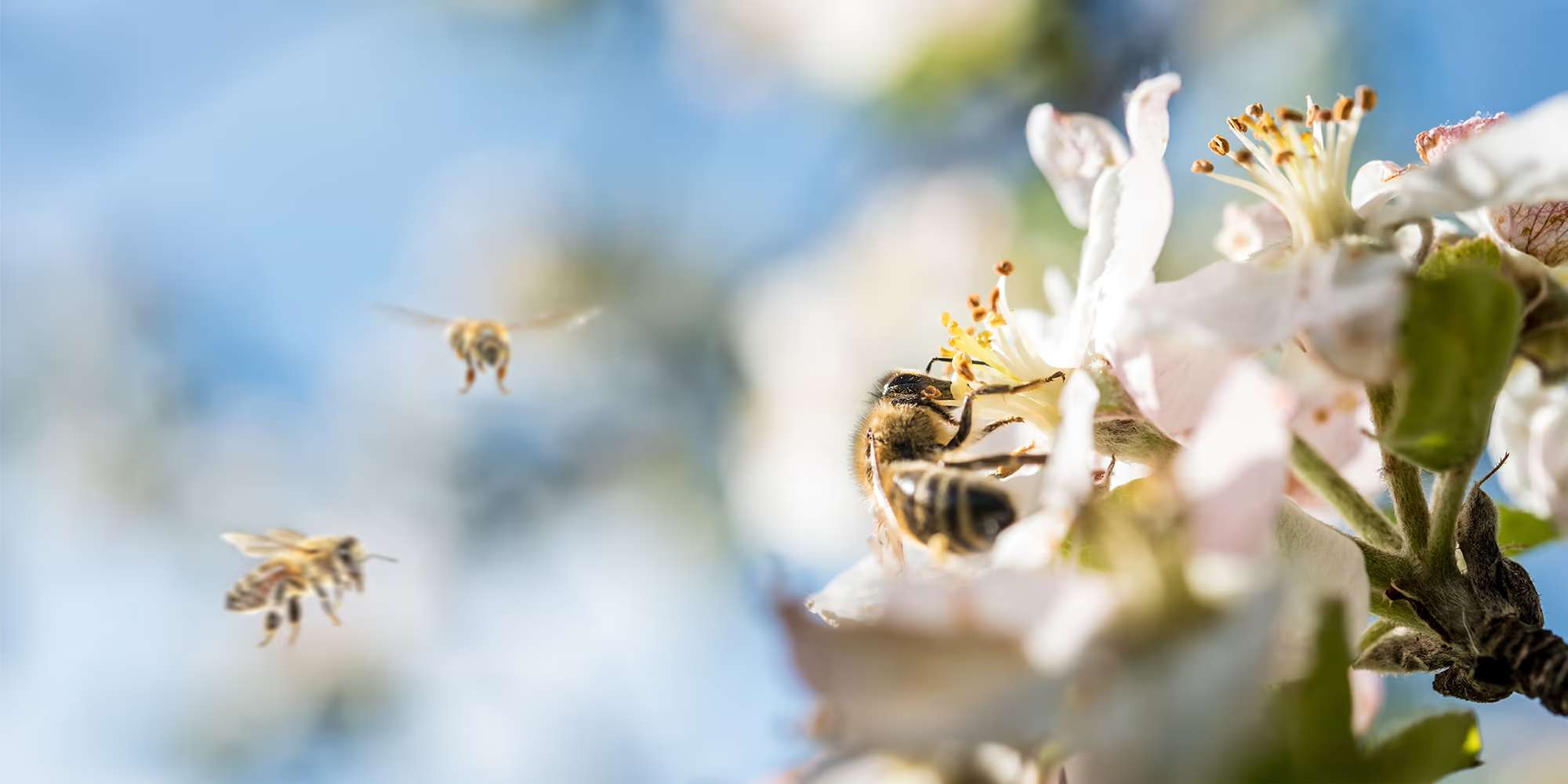
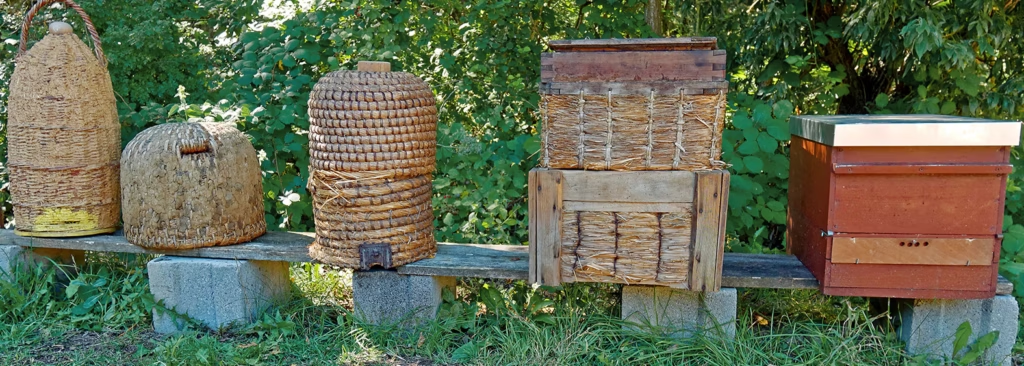
When did beekeeping begin? Bees were already in existence before mankind, having evolved around 40 to 50 million years ago. Amber specimens prove that the body structure of bees 35 million years ago was already similar to that of today. The early interaction between humans and bees began in the Stone Age, around 9,000 BC, as revealed by cave paintings depicting people gathering honey. At first, wild-bee nests were harvested, but from around 7,000 BC, the systematic care and propagation of bees began. These early forms of beekeeping marked the beginning of conscious apiculture.
What role did beekeeping play in ancient times? In the advanced civilisations of ancient times, beekeeping played an important role. The Old Testament contains detailed accounts of the care of bees, which emphasises the cultural and economic importance of beekeeping. In Egypt, bee products were prized as valuable burial gifts, and beekeeping was also widespread and well developed among the Greeks and Romans. Honey and other bee products were not only used as food, but also in medicine and for religious rituals.
When did sugar become popular as a sweetener? For a long time, honey was the only sweetener available and was therefore traded at high prices. The introduction of sugar derived from sugar cane in the Middle Ages and the later extraction of refined sugar from sugar beet at the beginning of the 19th century fundamentally changed the range of sweeteners available. Sugar became affordable for the general public, which altered the exclusive status of honey.
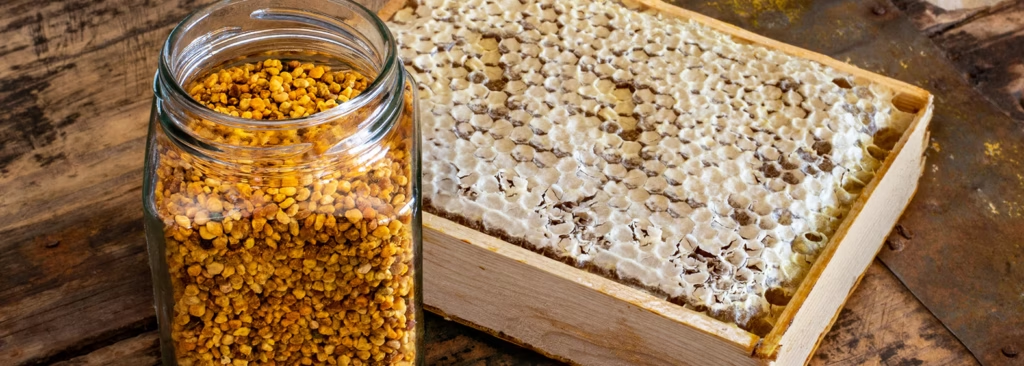
Despite these changes, beekeeping remained of great importance. Today, bee products such as propolis, wax and royal jelly are still valuable natural products. However, beekeeping has also evolved and now encompasses scientific methods for improving bee health and maximising yields.
Even more Honey Knowledge
-
Bees
-
Nutritional Value
-
Bee Products
-
Honey Varieties
-
Varroa Mite
-
Beekeeping
-
Science