Dangers and solutions for beekeeping
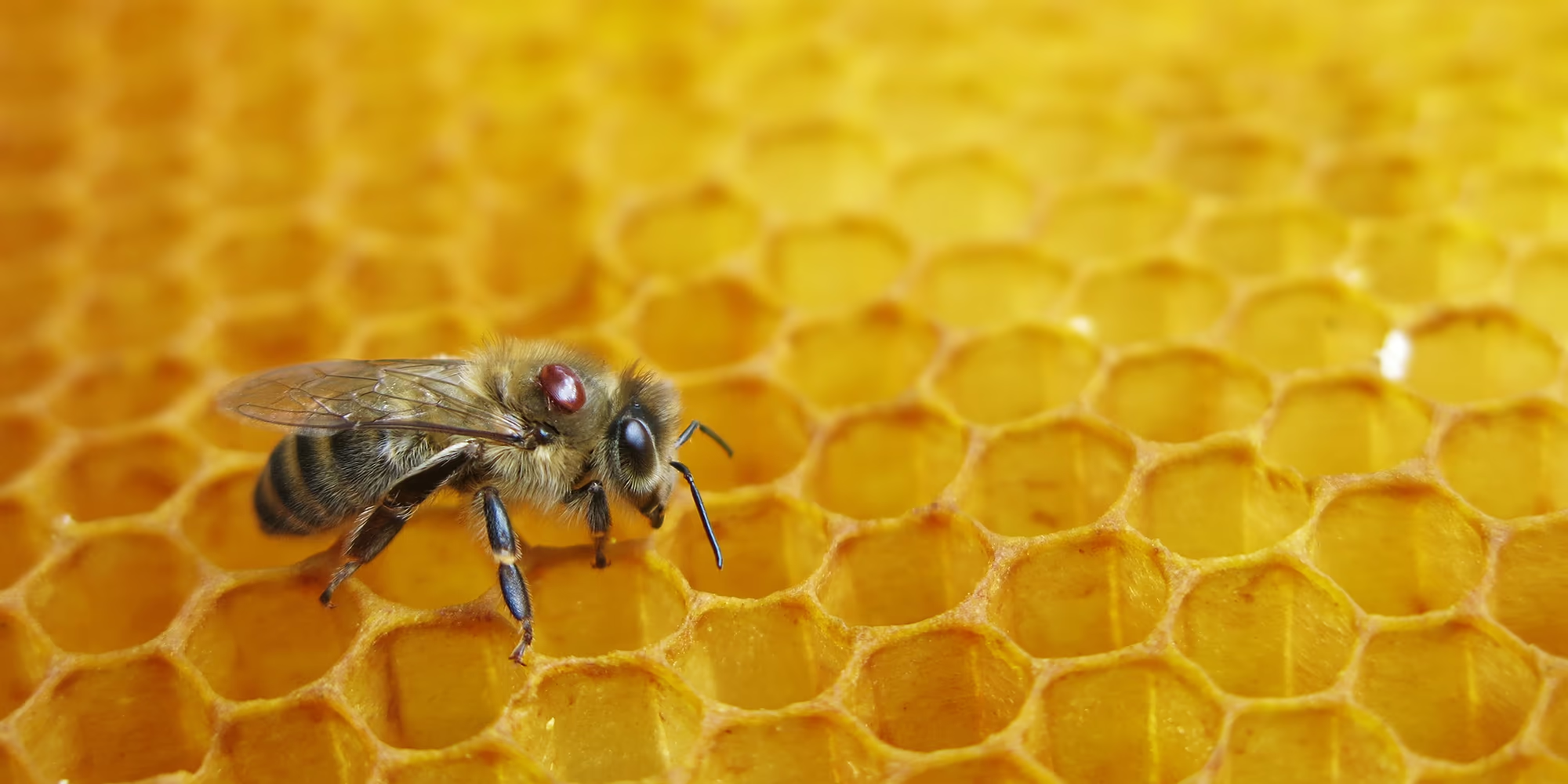
The varroa mite is a significant parasite of honeybees. The mite feeds by piercing the bees, their larvae and their pupae with its proboscis and sucking out their body fluids.
The varroa mite thereby exhibits a particular preference for the bee brood, in whose capped brood cells it reproduces and develops. As a result of the removal of nutrients, larval development is significantly impaired, resulting in smaller, weakened bees. Infested larvae or pupae often die in the brood cells. Furthermore, adult honeybees serve as a means of transport for the varroa mite to reach new brood cells or other bee colonies.
What type of damage does the varroa mite cause to bee colonies? Since the turn of the millennium, the varroa mite has evolved into a threat to bee colonies in Germany. According to the results of the German bee-monitoring programme (2004-2008), varroa mite infestation is one of the primary causes of the high losses of bee colonies during the winter months. In recent years, winter losses have regularly amounted to 20 to 30 % of bee colonies, which leads to considerable economic damage for beekeeping businesses and impairs the pollination of numerous cultivated crops. The resulting losses not only affect the beekeeping companies, but also agriculture, as the pollination service provided by honeybees is irreplaceable for many crop plants.
How can the varroa mite be combated in bee colonies? In the event of an infestation of their bee colonies, beekeepers in Germany are legally obliged to take measures to combat the varroa mite. This obligation also applies in all EU member states and Switzerland. The measures are carried out in strict compliance with legal regulations that govern the use of certain active substances. The authorised active substances include tau-fluvalinate, amitraz, coumaphos, thymol, formic acid and oxalic acid, which are available in various commercial preparations. In accordance with the principles of beekeeping practice, these agents are generally applied after the honey collection period and the extraction of the honey, but before the colonies enter winter dormancy.
Even more Honey Knowledge
-
Bees
-
Nutritional Value
-
Bee Products
-
Honey Varieties
-
Beekeeping
-
Science
-

History