A look at our harvesting areas in New Zealand.

Islands at the end of the world.
New Zealand, or Aotearoa (“Land of the Long White Cloud”) as the Māori call it, is a place of extremes. Isolated from the rest of the world, a unique flora has been able to develop here over millions of years. For bees, this is a paradise. Far away from the industrial centres of the northern hemisphere, surrounded by the endless expanse of the Pacific, our partner beekeepers enjoy conditions with a rare sense of unspoilt nature here.
The green paradise.
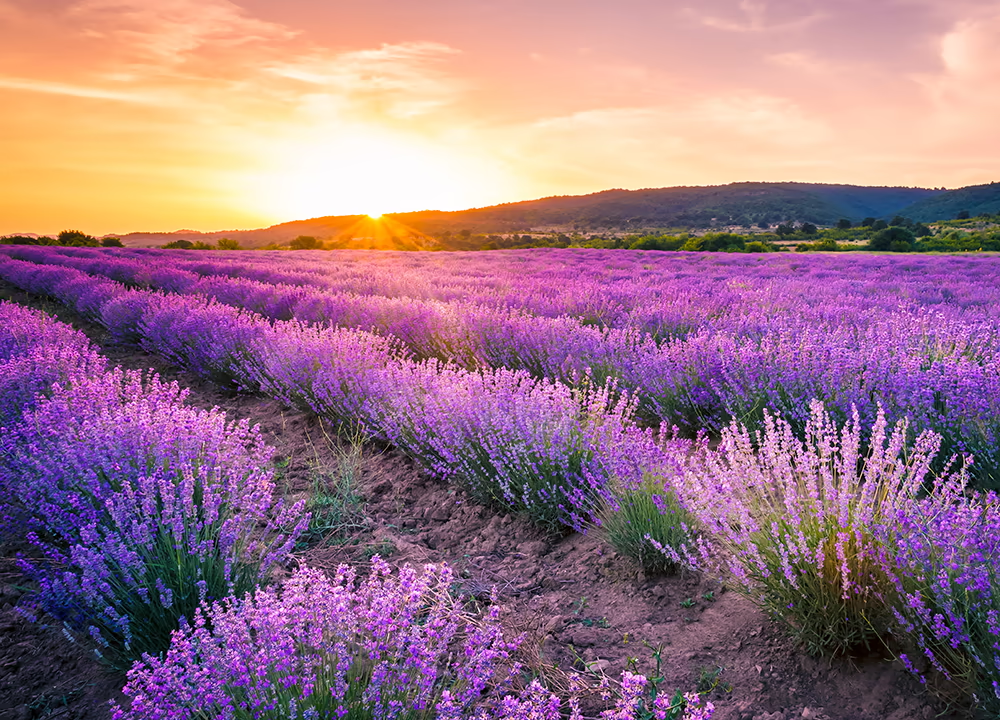
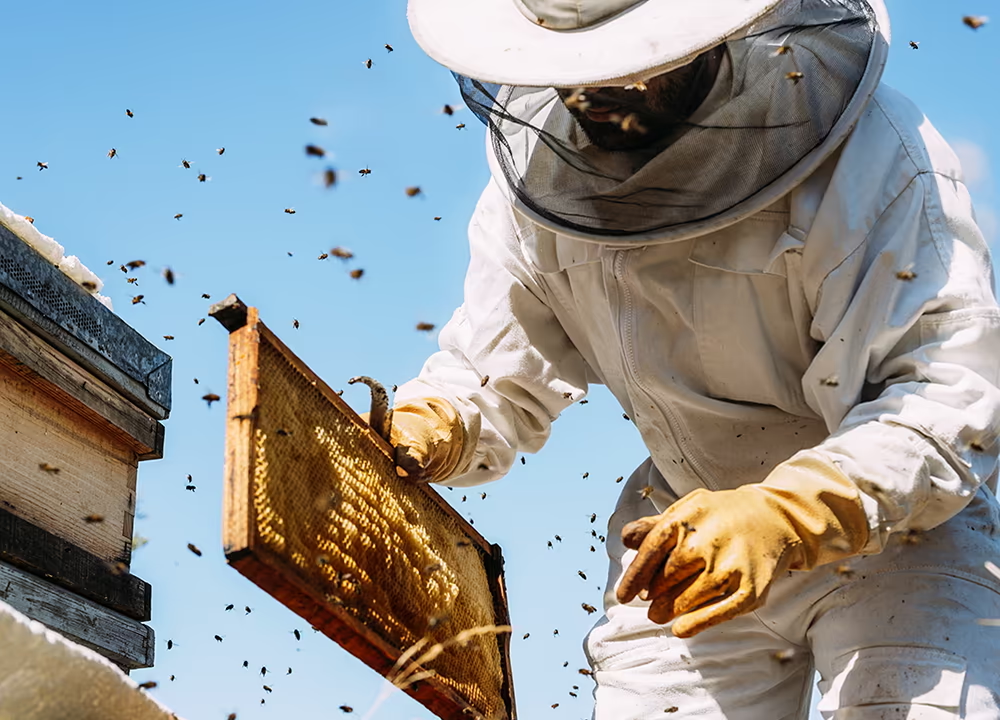
Beekeeping in New Zealand is relatively young, but it has developed rapidly. It benefits from the enormous diversity of the landscape: from the subtropical forests in the north, through the lush green pastures, to the rugged fjords in the south. New Zealand beekeepers often work in extremely inaccessible terrain. Some beehives are even flown by helicopter into remote valleys in order to obtain the purest nectar. One such special area is the mountainous Otago region, in which wild thyme grows in abundance. The intensely spicy aroma of the thyme honey produced there is the result of the unusual climatic conditions in these highlands.